Saturday, October 17, 2026
Powell Hall at the Jack C. Taylor Music Center, North Grand Boulevard, St Louis, Missouri
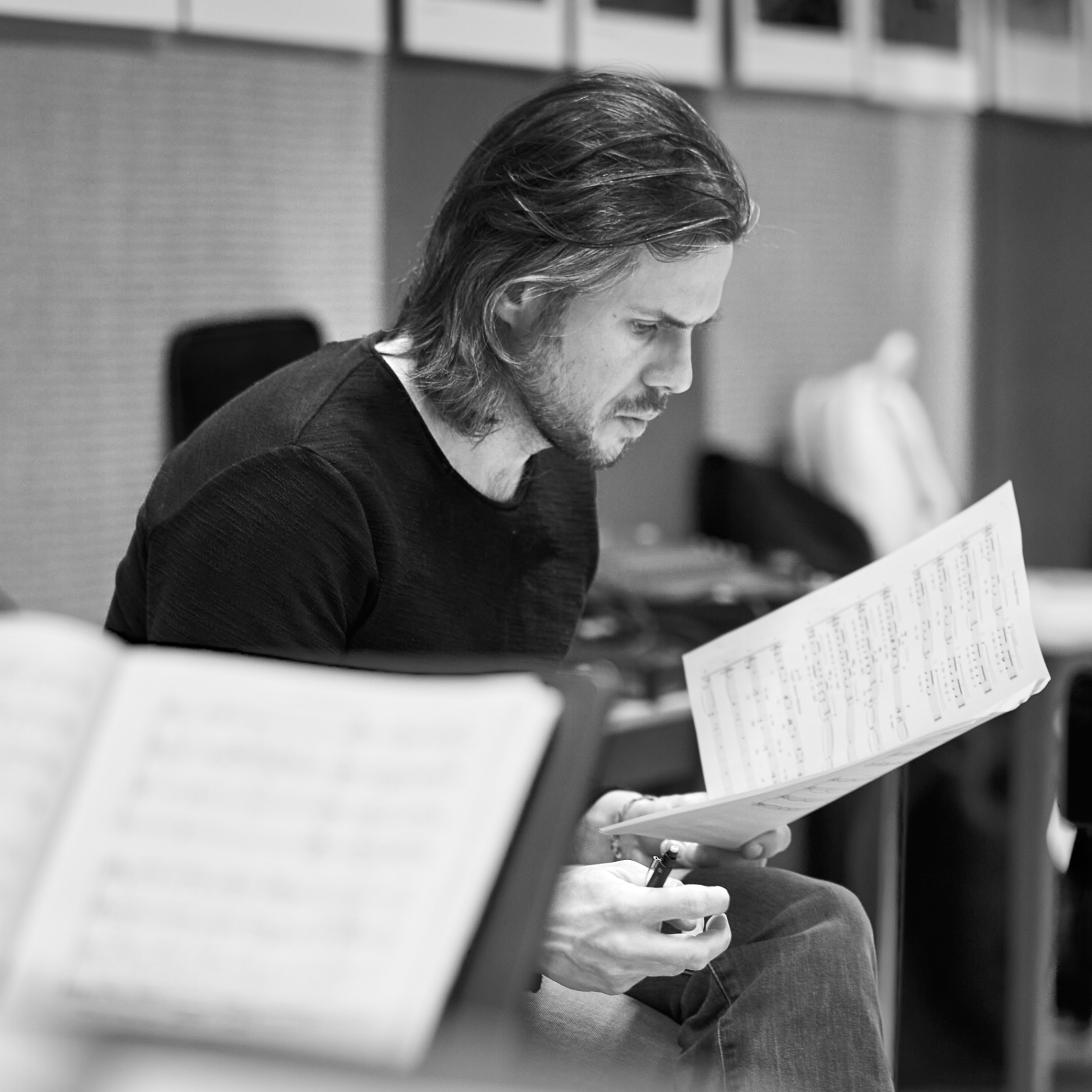
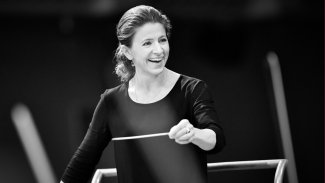
On the morning of the day before this concert Kristiina Poska (Music Director of the Orchestre Français des Jeunes) made her St. Louis Symphony debut by conducting the US premiere of fellow-Estonian Ülo Krigul’s Proteus Pulse (2022). Proteus is a sea-god who can change his shape and form to avoid detection, the music reflecting being in the middle of a storm and the “chaos of the sea”. Scored for a Classical orchestra plus trombones, harp and percussion, Proteus Pulse begins with urgent declamations to elaborate an intoxicating momentum of impassioned intensity – swirling strings, braying horns, alarm bells – a thrilling theatre ended by a suspenseful, dissonant woodwind chord. But, there is a problem: the nine-minute Proteus Pulse is too short, not because of the timing but because it seems to have more developmental power to unleash, although the abrupt ending might issue an ecological warning. The composer was present, and he had made alterations to Proteus at rehearsals.
Next up, Marie-Ange Nguci playing Mozart’s C-major Piano Concerto No.21, in a spacious ‘modern’ approach, Nguci forthright and not always appreciative of when the piano should accompany the orchestra (rather distant anyway in a reverberant acoustic), although the central movement (used in the film Elvira Madigan) flowed serenely and sweetly, the outer ones robust during which the cadenzas were respectively snippets of existing examples (from which Nguci spontaneously chose at the time, seemingly) and, much the better, by Dinu Lipatti, for the spirited Finale. Mixed feelings overall, but none about Nguci’s generous encore, a deeply involving reading of the visionary ‘Les jeux d’eaux à la Villa d’Este’ from Book III of Liszt’s Années de pèlerinage.
Following intermission, Robert Schumann’s ‘Rhenish’ Symphony got off to a slurred start, notes swallowed, but Poska isn’t alone in doing this, Paavo Järvi has done similarly (the Estonian connection!), the first movement exuberant, and with glorious horns (as elsewhere), although the acceleration into the coda jarred, and the Finale could have been more pointed and playful. The three middle movements fared well in terms of characterisation, especially the solemnity brought to the Cologne Cathedral fourth, introducing trombones.
Ülo Krigul Proteus Pulse
W.A. Mozart Piano Concerto No.21
Robert Schumann Symphony No.3, “Rhenish”
Conductor…
…composer